
In partnership with

Welcome back to the Launch Key 🚀
When we cleaned out our house to move, I had to make a lot of hard decisions about books. We still probably moved more than we should have, but the business books that made the cut are foundational. (see Greene in Mastery or Maister in Agency of One) That kind of thinking rarely goes out of style.
Another of the keepers is Peter Druckers’ classic, the Effective Executive. He was right 60 years ago, and today his time problem can easily be solved with AI.
Let's get into it.
Gmail users may wish to read online since some parts may be clipped.
Take this week’s poll or comment below and let me know if we’re on the right track.
Table of Contents
Pull to Eject
Peter Drucker diagnosed this in 1966.
The Effective Executive isn't really a book about managing other people. It's a book about managing yourself, and its central claim is blunt: nothing else you manage matters if you haven't managed your time first. Not the strategy. Not the talent. Not the plan.
Then he handed you three steps.
Record
Prune
Consolidate
For sixty years, most people got hung up during step two.
Record where the hours actually go.
Drucker's instruction was to log it in real time — not from memory — because the gap between where you think your time goes and where it actually goes is always wider than you'd guess. He watched executives swear they spent their days on strategy, then found they'd spent them on scheduling.
I read Drucker and asked 1990’s web designers and coders to record their time in 15-minute increments to better calculate web development pricing. Everybody hated it. I especially hated how few hours per day got recorded against billable client work.
This part is easier today. Your calendar, your inbox, and your browser history already know. Hand a month of it to an AI and ask a cold question: what did I actually spend my time on, and what did any of it produce? You'll get a straighter answer than a legal pad ever gave you.
And it stings a little.
Prune what doesn't need your judgment.
This is the step that always broke. Eliminate it, delegate it, or systematize it — fine advice, except that for most people, most of the time, there was nobody to delegate to. So the low-value work stayed on your desk.
That constraint is gone.
First-pass research. The rough draft. The summary of the sixty-page report. The formatting, the follow-up, the spreadsheet cleanup. None of it requires thirty years of judgment. It requires some simple instructions to the machine.
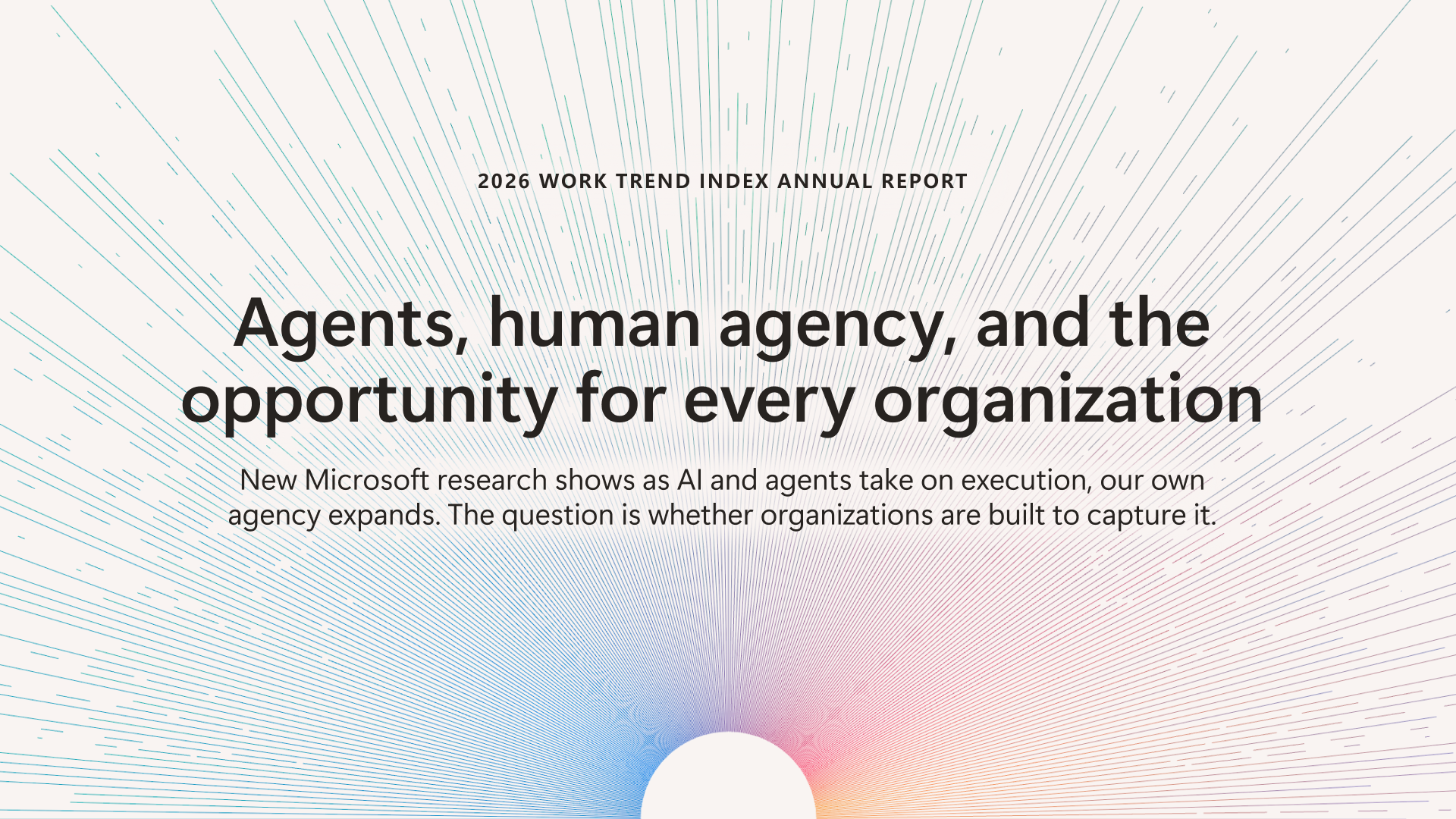
Microsoft surveyed 20,000 people using AI at work this year, and 66% said it had freed them up for higher-value work. For once the survey matches the experience.
Consolidate what's left.
This is the step that Drucker cared about most.
Freed time is not the same as discretionary time. Ninety minutes recovered in fifteen-minute slivers isn't ninety minutes — it's just noise with better tooling. Real work happens in blocks. He said so in 1966 and nobody's disproved it since.
So the hours have to be gathered, not scattered. One long morning beats five interrupted ones.
That same Microsoft report has a finding buried under the headlines, and it's the most useful thing in it: the biggest predictor of whether AI actually pays off for someone isn't their skill. It's their organization.
Culture, manager support, how the company evaluates people — those accounted for roughly twice the impact of the individual's own mindset and behavior.
Ten percent of the people they surveyed landed in a bucket Microsoft calls blocked agency: sharp operators who'd built real capability and had nowhere to put it. And 45% said it felt safer to just hit this quarter's numbers than to redesign how the work gets done.
Read that as an employee and it's depressing.
Read it as someone building their own thing and it's the entire argument.
You are the culture. You are the manager. You are the talent practice. There's no committee quietly reabsorbing the four hours you just freed up. Nobody books a status call into your consolidated morning. The two-thirds of that equation everyone else is losing to — you own outright.
Drucker was writing for the executive inside the institution, and he knew the institution was the enemy of the calendar. Half his time problem was other people's claims on his hours. He was solving for the person who couldn't leave.
You can leave. Some of you already have.
So the three steps land differently now. Record, because you finally have something that'll tell you the truth. Prune, because for the first time in your career the work that doesn't need your judgment can go somewhere else. Consolidate, because you're the only one holding the pen on your own calendar.
Alan Waxman runs one of the larger credit businesses on the planet and still writes a one-page personal business plan by hand every year — then puts AI to work against it.
Handwritten intent. Machine execution.
That's the whole thing in four words. Drucker's practices were always right. The constraint underneath them was the part he had to concede.
You don't.
This week: run step one. Pull the last thirty days of your calendar, hand it to an AI, and ask what it actually bought you. Everything else follows from the answer.
Now go launch something 🚀
Effective executives do not start with their tasks. They start with their time.

Modern Tools
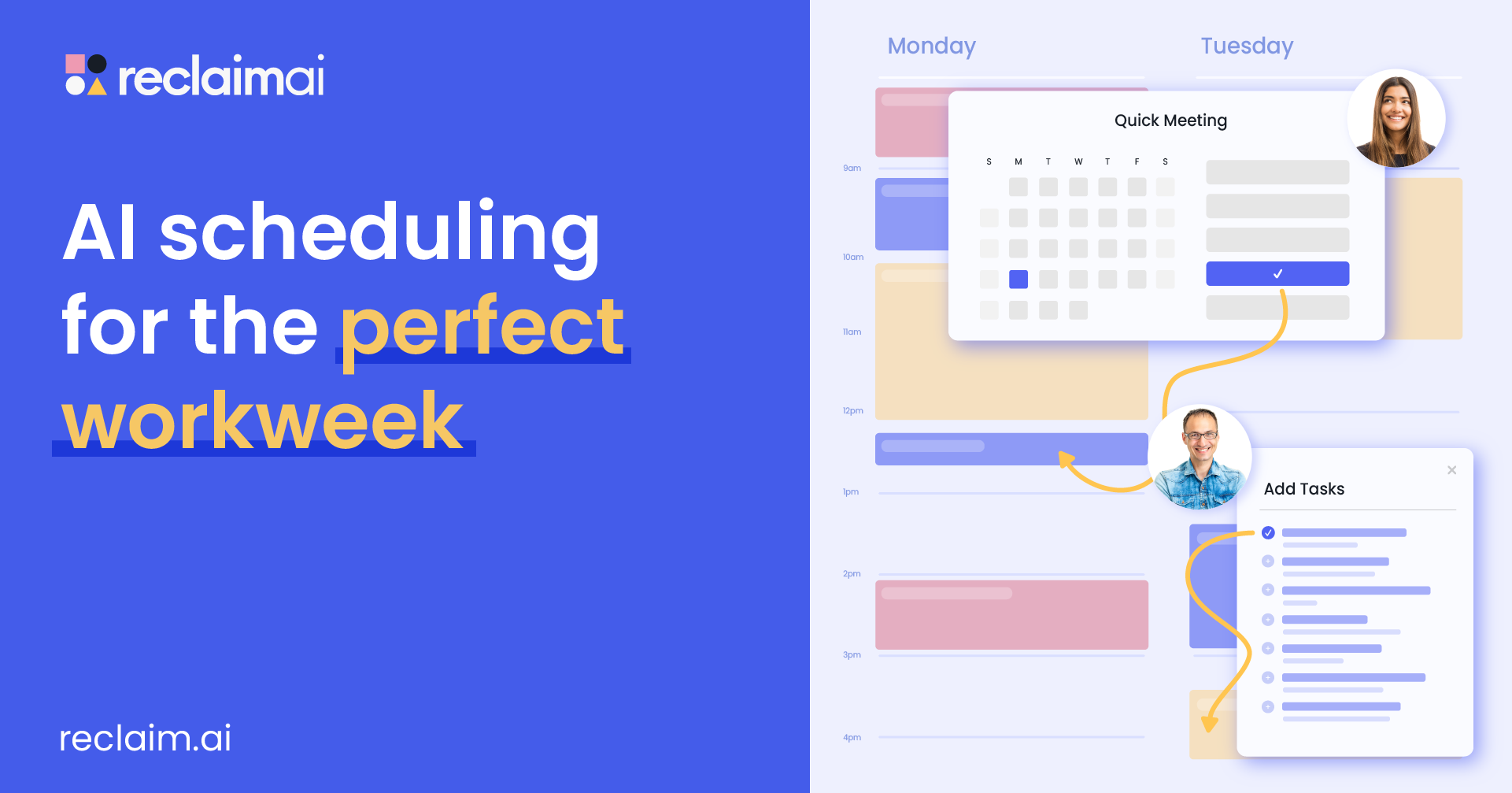
Reclaim.ai — the consolidate step, automated.
Blocking focus time on your own calendar works right up until a meeting lands on top of it. Reclaim connects to Google or Outlook and defends those blocks continuously — when something gets booked over your deep work, it moves the block instead of dropping it. It also shows you where your week actually went, which doubles as Drucker's step one.
Free tier is genuinely usable for a solo operator. Owned by Dropbox since 2024.
Old School Wisdom
Sixty years in print and still the least dated management book on my shelf. Drucker's argument was that effectiveness is a discipline — five learnable practices, no exceptional talent required. Time management is the first one, because it's the one that gates all the others.
The "executive" language reads dated. Ignore it. He meant anyone whose work is thinking.

Become An AI Expert In Just 5 Minutes

If you’re a decision maker at your company, you need to be on the bleeding edge of, well, everything. But before you go signing up for seminars, conferences, lunch ‘n learns, and all that jazz, just know there’s a far better (and simpler) way: Subscribing to The Deep View.
This daily newsletter condenses everything you need to know about the latest and greatest AI developments into a 5-minute read. Squeeze it into your morning coffee break and before you know it, you’ll be an expert too.
Subscribe right here. It’s totally free, wildly informative, and trusted by 600,000+ readers at Google, Meta, Microsoft, and beyond.
Free Knowledge
If The Effective Executive is the full course, this is the twelve-page version — and it's perfect for anyone building a second act. Drucker's argument: companies don't manage your career anymore, so you have to be your own chief executive.

Recommendations
📕 MGMT Playbook : Practical management insights straight to your inbox every Wednesday.
🏢 Retirepreneur : Your guide to turning decades of experience into profitable consulting, coaching, or course businesses, without risking your retirement security.
🗃 Dealroom Business Success Uncovered : Learn directly from billionaire entrepreneurs on how to grow a business. Join a community of 2,000+ innovators.
🧾 Redefining Retirement : Too Young to Retire, Too Old To Take Orders? Yeah, Me Too.

Visual Crapshoot

Help me help you: What's the #1 challenge holding back your late career side hustle?
- Financial risk management - can't bet retirement
- Worry that you're not tech savvy enough
- Have connections but unsure how to use them
- Business model selection confusion
- Time management with family obligations
- How to validate product while still employed
- Age discrimination concerns
- Is it too late for my idea?
- Other
Launch Key readers – thank you for your support and feedback. I appreciate each and every one of you as I work to build something you value.
Remember, if there's anything you'd like to share — a recommendation, a story idea, or just a note to say hi, hit the reply button and fire away.
